Driving the Employee Experience
Driving the Employee Experience

The Employee Experience Isn't HR's Job. It's Yours.
You've had a bad restaurant experience. Cold food. A server who acted like your order was a personal inconvenience. You didn't write a review. You didn't complain to a manager. You just... never went back.
Here's the uncomfortable part: your employees are doing the exact same math about working for you.
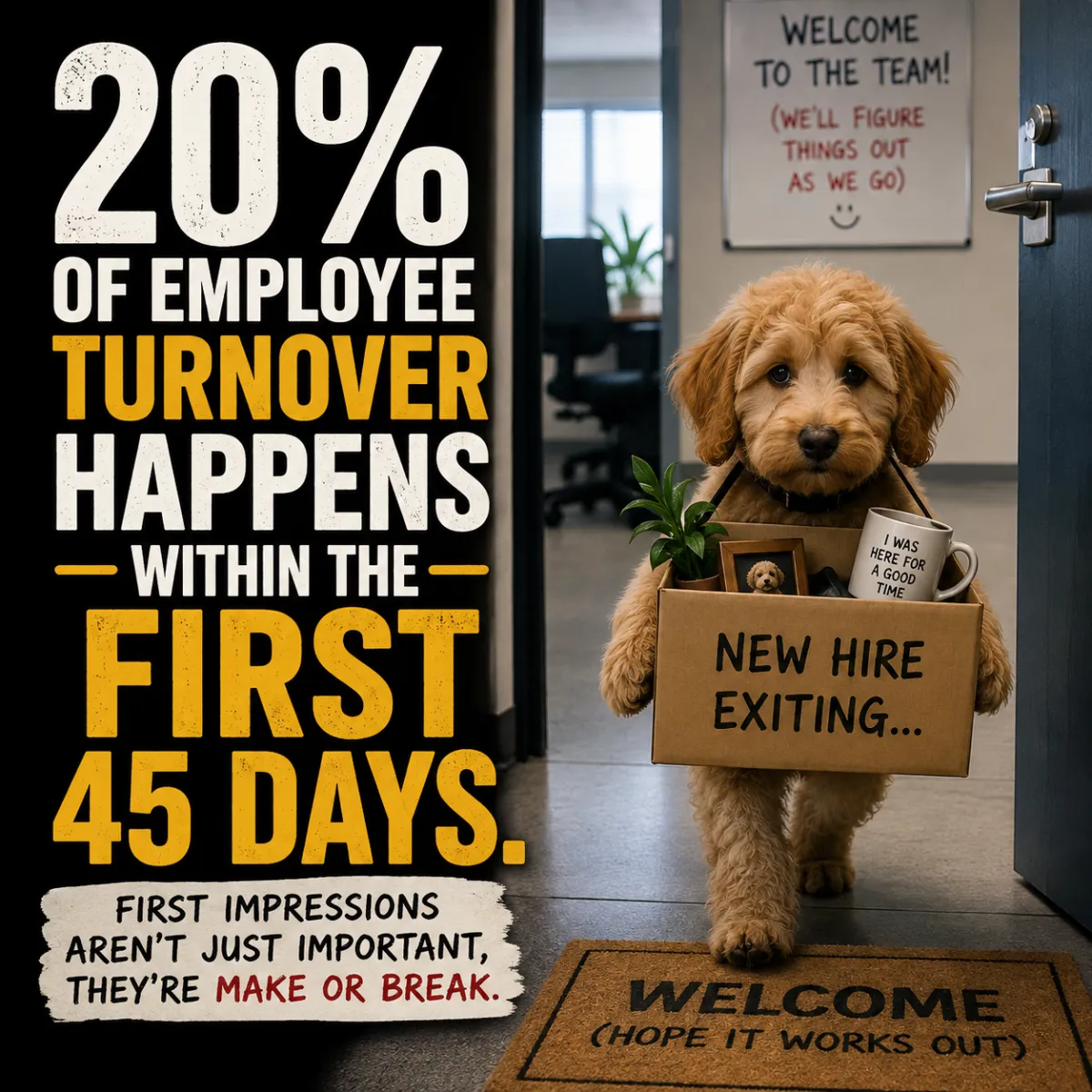
They don't file a grievance every time they have a bad week. They don't send HR a strongly worded email every time their manager cancels a one-on-one for the third time in a row. They just quietly recalibrate how much of themselves they're willing to bring to work. And eventually, they stop coming back, whether that means walking out the door or staying and checking out completely.
Gallup has been tracking this for years, and the data keeps saying the same thing in a slightly louder voice each time: managers account for the vast majority of the variance in how engaged a team is. Not the mission statement. Not the snack bar. Not the annual engagement survey that gets read once and filed. The manager.
So here's the reframe I want to leave you with: employee experience is not an HR program. It is not a task that lives on someone's project list between benefits open enrollment and the holiday party. Every single leader in your organization is already creating an employee experience, on purpose or by accident, whether they've ever thought about it that way or not.
The question was never whether you're creating it. The question is whether you're doing it on purpose.
That's the whole premise behind Driving the Employee Experience, and it's the lens every post this month is going to run through. If you lead people, you are the experience. Act like it.
What's the last "bad service" experience you personally never went back for? I'd bet it taught you more about leadership than most trainings you've sat through.
Cheers,
Reanette


